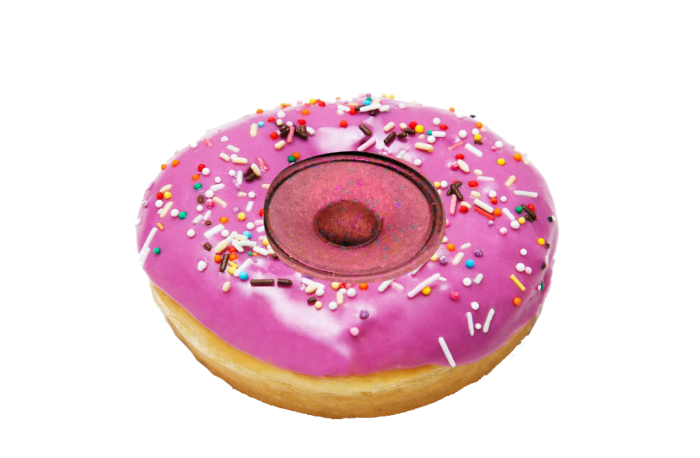

“Revolution 9” is the second to last track on The Beatles’ self-titled double-album, commonly known as “The White Album” to fans. This album was The Beatles’ 9th studio album. “Revolution 9” is a 8 minute and 22 second sound collage and showcases a more abstract and avant-garde side to The Beatles.
Originally, the track started out as an extended ending to “Revolution,” but evolved into the avant-garde and (somewhat-messy) sound collage inspired by the works of John Cage and Karlheinz Stockhausen that made the LP. John Lennon was inspired by the idea of political revolutions and wanted to make a sound-collage that he felt painted the picture of a revolution.
The track features looped snippets of John Lennon, George Harrison, George Martin and Yoko Ono speaking and was produced by George Martin. There are many motifs present in the sound-collage, including an EMI engineer, repeating the phrase “number nine” throughout the track, several classical piano ballads, people screaming, and the static of a radio changing channels.
“Revolution 9” makes use of a production technique called panning; panning is when a track is distributed through the left and right channels of a stereo field. The most clear way to hear panning in a track is with headphones; one can feel the audio of a track moving from one ear to another.
The sound-collage has an overall eerie tone which is made by the looped audio tapes and minor-key piano ballads. Upon release, “Revolution 9” was met with dislike from the general public, and I felt the same way upon listening to it for the first time as a child. Conceptually, the track makes sense, but the finished product is lacking and uninspired compared to avant-garde works of other artists.